
Simple Ways to Reduce Noise at Home for a More Peaceful Space
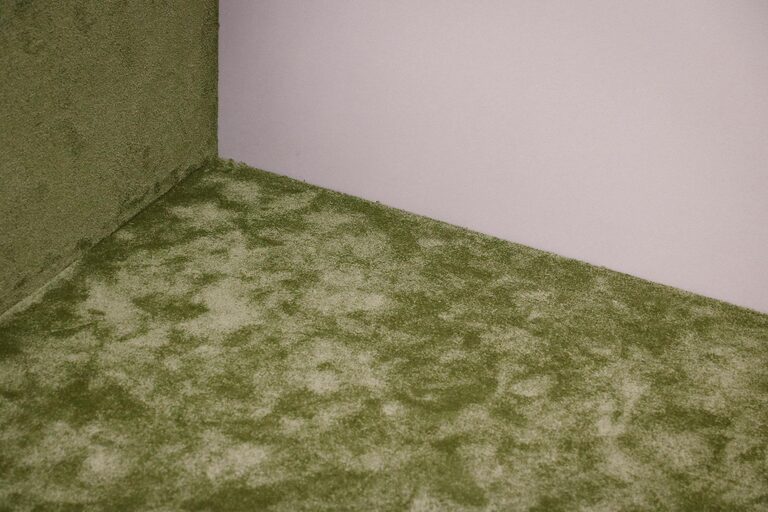
Creating a peaceful home environment is important for relaxation, focus, and overall well-being. Whether you live in a busy neighborhood, have noisy neighbors, or just want to minimize everyday sounds, there are simple and affordable ways to reduce noise at home. This guide will walk you through practical steps to create a quieter space without major renovations or expensive equipment.
Why Reducing Noise Matters at Home
Excessive noise can cause stress, disrupt sleep, and reduce productivity. By managing sound levels in your living space, you improve comfort and create an atmosphere that supports relaxation and concentration. Noise reduction is beneficial for homes located near busy streets, apartments, or homes with lively families and pets.
Easy Strategies to Reduce Noise Indoors
1. Use Soft Furnishings to Absorb Sound
Hard surfaces reflect sound waves, making noise louder. Incorporating soft materials helps absorb sound and reduce echo.
– Rugs and Carpets: Place rugs on hardwood or tile floors to soften footsteps and muffled general noise.
– Curtains and Drapes: Thick, heavy curtains help block outside noise and prevent sound from bouncing around.
– Upholstered Furniture: Sofas, armchairs, and cushions can act as sound absorbers.
2. Seal Gaps and Cracks
Noises often sneak in through small openings around doors and windows.
– Weatherstripping: Install weatherstripping around doors and windows to seal gaps and reduce sound entry.
– Door Sweeps: Attach door sweeps to the bottom of doors to block noise from hallways or other rooms.
– Caulking: Check for and fill cracks or spaces in window frames and walls.
3. Rearrange Furniture Strategically
Your layout can influence how sound travels in a room.
– Place Bookshelves Along Shared Walls: Filled bookshelves with books reduce noise coming through walls.
– Position Sofas and Chairs Against Noisy Walls: This helps create a barrier to sound.
– Avoid Empty Spaces: Open spaces allow sound to bounce freely; filling rooms with furniture softens noise.
4. Introduce Soundproofing Materials
There are affordable materials designed to reduce noise that you can install without major work.
– Acoustic Panels: These can be hung on walls to absorb sound.
– Foam Insulation: Adding foam to walls, ceilings, or behind furniture helps reduce echoes.
– Door and Window Inserts: These secondary panes improve insulation against noise.
Reducing Outdoor Noise Affecting Your Home
1. Create Natural Barriers
Plants and landscaping can reduce noise from outside your home.
– Dense Shrubs and Hedges: Planting thick vegetation along your property line absorbs sound.
– Trees: Larger trees act as wind and noise buffers.
– Fences: Solid fences made of wood, vinyl, or metal block direct sound waves.
2. Close Windows and Doors When Noisy
When noise outside spikes (traffic, construction), keeping windows and doors closed helps control indoor noise levels.
3. Use White Noise Machines or Fans
While not reducing noise per se, these devices mask disruptive sounds and create a steady, soothing background.
Tips for a Quieter Home Environment
– Establish Quiet Hours: Communicate with family members or roommates about times for quiet, especially during sleep or work.
– Maintain Appliances: Noisy appliances can add to overall noise; regular maintenance reduces their sound output.
– Limit Loud Activities Indoors: Use rugs and pads under musical instruments or exercise equipment.
When to Consider Professional Solutions
If noise problems are severe, such as persistent traffic or construction noise, consulting with a professional soundproofing company can be worthwhile. They can recommend specific insulation, window replacements, or structural modifications to effectively reduce noise.
Conclusion
Reducing noise at home doesn’t have to be complicated or expensive. From simple sealing and rearranging furniture to using soft furnishings and plants, many effective solutions are available. Implementing these tips can help you create a calmer, quieter home environment where you can relax, work, and enjoy peace of mind.
By making small adjustments, you’ll likely notice a significant improvement in the noise levels, leading to better sleep, reduced stress, and a happier home overall. Give some of these ideas a try and enjoy the benefits of a peaceful living space!